
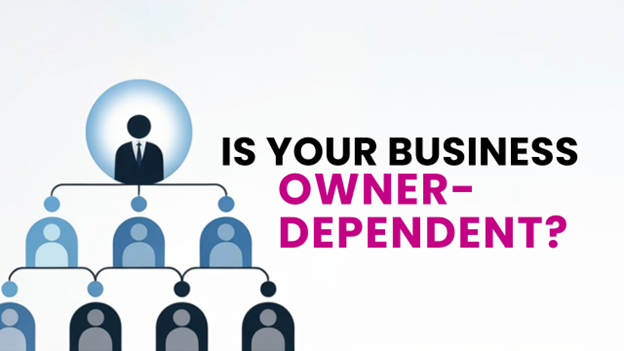
It’s a simple question. Slightly uncomfortable. Surprisingly revealing.
If you stepped away from your business for two weeks starting tomorrow, no email, no Slack, no “just checking in,” what would fall apart?
Most business owners don’t love this thought experiment. Not because they’re doing anything wrong, but because many small businesses are built on proximity. You are the system. You are the memory. You are the fixer of last resort.
That works. Until it doesn’t.
We’re not suggesting this asking this question only when you’re about to plan a sabbatical or if you’re fantasizing about a beach with no Wi-Fi. This should be a quarterly question you ask yourself to test the resilience of your business.
What Usually Breaks First
When owners walk through this question honestly, a few pressure points show up again and again.
Decision bottlenecks are common. If every approval, answer, or green light runs through you, progress slows the moment you step away. Not because your team isn’t capable, but because the rules live in your head.
You’ve painted yourself into a corner, which at first feels good because the business needs you. But then the very thing that felt good starts wearing on you and you can’t get a moment’s peace even when you need one.
Customer communication is another. Clients know to “just call you” because you’ve always been responsive and why start at the bottom of the ladder if you can head straight to the top? That’s a compliment. It’s also a vulnerability.
Then there’s institutional knowledge. Passwords. Vendor contacts. Renewal dates. The little things that keep operations moving quietly in the background. When they aren’t documented, they’re fragile.
None of this means your business is poorly run. It means it’s human.
The Myth of “I’ll Get to it Later”
Many owners tell themselves they’ll systemize “when things slow down.” The problem is that things rarely slow down on their own. Growth adds complexity. Success adds volume. Even good seasons create strain.
Waiting for the perfect time to document processes or delegate authority often means never doing it at all. And the cost shows up in subtle ways: missed opportunities, delayed responses, and burnout disguised as dedication.
Don’t remove yourself from the business. Just remove yourself as the single point of failure.
Start Smaller Than You Think
You don’t need a 50-page operations manual to make meaningful progress. In fact, starting that big is usually why people never start at all.
Instead, focus on a two-week lens.
Ask yourself three questions:
· What decisions would stall without me?
· What questions would my team or customers ask first?
· What information only exists in my inbox or my head?
Then document just those things. If this seems overwhelming, dictate them to AI and instruct it to create an operations manual around that topic or create a shared document with clear “if this, then that” guidance. Include a short list of who handles what when you’re unavailable and a basic contact list for vendors and partners.
Go for clarity.
Delegation as Leadership, not Abdication
One of the fears that holds people back from doing this is loss of control. They worry if they hand over the reins that it will be done incorrectly.
Maybe. Sometimes.
But leadership isn’t preventing mistakes at all costs. It’s building capacity so the business doesn’t depend on one person’s constant presence.
Delegation done well includes context, not just tasks. It explains the why, not just the what. When people understand how decisions should be made, they don’t need to wait for permission.
That’s how trust compounds.
Another fear is the fear of being replaced. “If I give up my knowledge, they won’t need me.” You may also be afraid that if “I share my knowledge employees will leave me.”
The latter can happen anyway and if you give them opportunity for growth, they’ll be less likely to do so.
Why This Planning Matters Beyond Vacations
Even if you never plan to take two weeks away, this exercise still matters.
Life happens. Illness. Family needs. Unexpected opportunities. A business that can’t be flexible creates stress when flexibility is needed most.
On the flip side, a business that can run without constant oversight is more valuable, more attractive to partners and high-performing employees, and more resilient in changing conditions.
That’s not just good for you. It’s good for your employees, your customers, and your community.
Where Your Chamber Fits In
This is where chambers quietly shine.
You don’t have to solve this alone. Chambers of commerce connect you to peers who’ve already tackled these challenges. They host workshops on operations, leadership, and succession planning. They introduce you to service providers who help businesses document processes, strengthen teams, and plan for growth. They may also offer AI training that can show you easy, efficient ways to put together the manual that will make all of this possible.
Just as importantly, chambers give you space to think strategically instead of reactively. Roundtables. Mentorship. Conversations that pull you out of the weeds and back into the role of leader.
If this article made you pause, that’s a signal. Start the conversation. Ask your chamber what resources are available. Check out its calendar to see what low-cost (or even free) resources are available. Reach out to another member and compare notes.
You built a business to feed yourself and your family, but you’re past that stage now. You’re helping to feed others too. It’s time you ensure they can feed themselves as well.
Christina Metcalf is a writer and women’s speaker who believes in the power of story. She works with small businesses, chambers of commerce, and business professionals who want to make an impression and grow a loyal customer/member base. She is the author of The Glinda Principle, rediscovering the magic within.
_______________________________________
Facebook: @metcalfwriting
Instagram: @christinametcalfauthor
LinkedIn: @christinametcalf5